Executive Summary
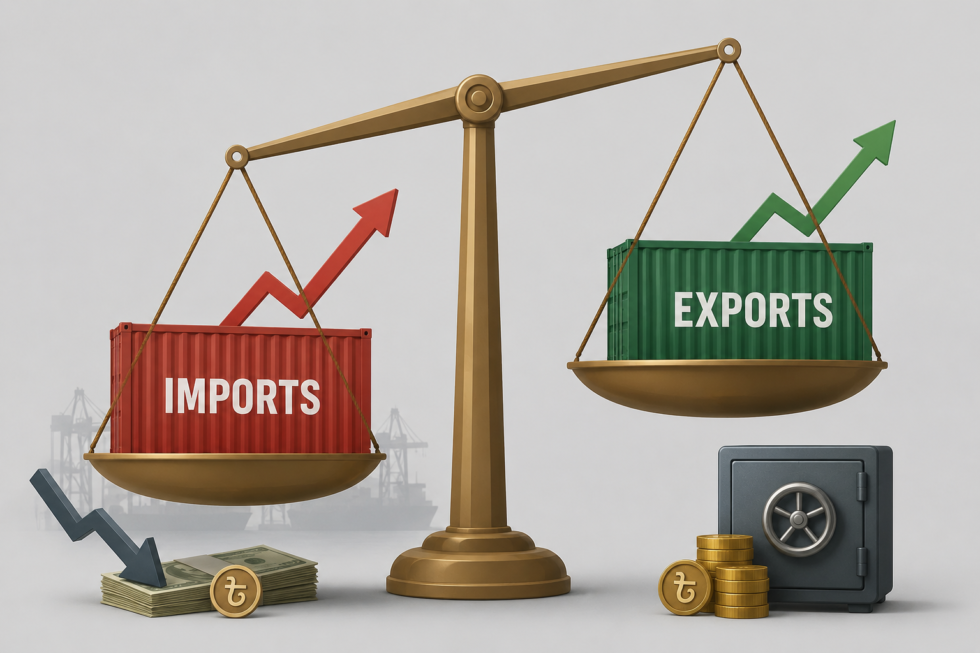
The issue surrounding Bangladesh Trade Deficit Foreign Exchange Pressure reflects the growing imbalance between rising import demand and the pace of foreign currency earnings. Recent trade data indicates that imports are accelerating faster than exports, increasing pressure on Bangladesh’s external sector at a time when reserve stability and exchange rate management remain closely monitored.
The widening trade deficit is being driven by higher imports of industrial raw materials, fuel, capital machinery, and intermediate manufacturing goods. This trend may indicate recovering industrial activity and stronger domestic demand, but it also increases the economy’s requirement for foreign currency financing.
The broader significance of Bangladesh Trade Deficit Foreign Exchange Pressure lies in its impact on reserve adequacy, banking sector dollar liquidity, and external payment capacity. As import financing demand rises, commercial banks and the central bank may face additional pressure in maintaining stable foreign exchange conditions.
The sustainability of current import growth will depend on whether export earnings, remittance inflows, and external financing continue to offset the expanding trade gap. Monitoring reserve movements, exchange rate stability, and import-export trends will therefore remain critical for assessing external sector resilience.
Why this matters
Bangladesh’s widening trade deficit is once again drawing attention to the country’s external sector balance at a time when reserve stability, exchange rate management, and foreign currency liquidity remain closely monitored.
A larger trade gap means the country is spending more foreign currency on imports than it is earning from exports. For financially aware readers, this matters because sustained trade imbalance can influence reserve adequacy, banking sector dollar liquidity, import financing conditions, and overall market confidence in the economy’s external position.
The latest data also signals that import demand is recovering faster than export growth, suggesting that industrial activity and domestic demand are regaining momentum after a prolonged period of economic adjustment.
What has been reported
According to The Financial Express, Bangladesh’s trade deficit widened to approximately $19.2 billion during July–March of FY26 as imports increased significantly during the period.
The Daily Star reported that the deficit expanded by around 24 percent year-on-year, primarily driven by rising imports of industrial raw materials, fuel, and capital machinery.
Meanwhile, bdnews24.com highlighted broader trade-flow dynamics and linked the widening deficit to increased economic activity and stronger import demand across sectors.
While all three reports focused on the rise in imports, less attention was given to the longer-term implications for foreign exchange liquidity, banking sector exposure, and reserve management strategy.
Import recovery is reshaping the external sector
Bangladesh’s economy remains heavily dependent on imported industrial inputs, energy products, and machinery. As manufacturing activity and infrastructure spending recover, imports naturally rise alongside domestic production demand.
The current trend suggests that businesses are once again increasing purchases of:
- Industrial raw materials
- Capital machinery
- Fuel and energy-related products
- Intermediate goods for manufacturing
From one perspective, this reflects economic normalization and stronger production activity. Rising imports of machinery and industrial inputs can support future output growth and export capacity expansion.
However, the pace of import growth is now becoming an important issue because export earnings and foreign currency inflows must keep pace with the higher demand for dollars.
If imports continue expanding significantly faster than exports and remittances, pressure on the external sector could intensify again.
Pressure points for reserves and foreign exchange stability
The widening trade deficit comes at a sensitive period for Bangladesh’s external sector management.
Over the past two years, Bangladesh has already experienced:
- Reserve pressure
- Dollar liquidity shortages
- Exchange rate adjustments
- Tightened import controls
- Increased monitoring of foreign currency outflows
A larger trade gap increases the need for foreign currency financing because banks and importers require more dollars to settle international payments.
This creates additional pressure on:
- Foreign exchange reserves
- Interbank dollar liquidity
- Exchange rate stability
- Central bank liquidity management
For Bangladesh Bank, maintaining reserve stability while supporting industrial import demand remains a difficult balancing process.
Banking sector implications
The banking sector sits directly at the center of rising import activity because commercial banks handle import financing and foreign currency settlements through letters of credit and trade-related transactions.
Higher import demand can increase:
- Dollar funding pressure inside banks
- Dependence on central bank liquidity support
- Foreign exchange settlement risks
- Exposure to exchange rate volatility
At the same time, stronger industrial imports may also indicate improving business confidence and production activity, which could support broader economic growth if external financing conditions remain manageable.
This creates a mixed picture for the banking sector: stronger economic activity on one side, but increased foreign currency pressure on the other.
Trade imbalance and broader economic confidence
Trade deficits are not always viewed negatively in developing economies. In many cases, rising imports can reflect expanding industrial production, infrastructure development, and higher investment activity.
The key issue is whether foreign currency earnings grow alongside import expansion.
If export growth, remittance inflows, and external financing remain stable, the widening deficit may remain manageable as part of a broader economic recovery cycle.
But if external earnings fail to keep pace with import demand, concerns around reserve adequacy and currency stability could re-emerge more aggressively.
This is why financially aware observers are likely to focus less on the headline deficit figure itself and more on how Bangladesh finances the widening gap over the coming months.
Risk assessment
If import growth continues alongside stable exports and remittances, the trade deficit may reflect productive economic expansion rather than immediate external stress.
However, several risks remain important:
- Higher global commodity prices
- Rising energy import costs
- Slower export demand in overseas markets
- Weakening remittance momentum
- Increased pressure on reserve accumulation
Any combination of these factors could increase vulnerability in the external sector.
The sustainability of Bangladesh’s import recovery will therefore depend heavily on continued foreign currency inflows and effective reserve management.
What to monitor next
Financially aware readers are likely to monitor:
- Monthly import and export growth trends
- Foreign exchange reserve movements
- Remittance inflow momentum
- Exchange rate stability
- Bangladesh Bank liquidity management measures
- Industrial raw material import trends
- Banking sector foreign currency conditions
Upcoming external sector data will provide clearer signals about whether the widening trade deficit reflects temporary recovery-driven import growth or a deeper structural imbalance in the economy.
Stay with us for more valuable insights—visit: [Click Now]