Executive Summary
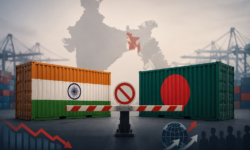
Bangladesh Free Trade Agreements have become a central part of the country’s response to the potential erosion of preferential export access following graduation from least developed country status. A Commerce Ministry progress report presented to a parliamentary committee on 7 October, as reported on 11 October, outlines negotiations with ten countries and economic blocs, alongside a push to join the Regional Comprehensive Economic Partnership. The European Union, South Korea and the United Arab Emirates are key priorities. The economic significance is substantial, but signing agreements alone will not resolve the cost, compliance and competitiveness pressures facing exporters.
Why Bangladesh Free Trade Agreements Matter Now
Bangladesh’s export model has benefited from preferential market access granted to least developed countries. The planned graduation process makes alternative arrangements more important, particularly in major apparel markets. The government has also requested a three-year extension to the graduation timeline; that request is under review and should not be treated as approved. Trade negotiations can offer a longer-term market-access framework, but their value depends on tariff schedules, rules of origin, product coverage, implementation dates and domestic readiness. The commercial effects may therefore differ substantially between agreements.
What the Commerce Ministry Progress Report Shows
According to The Business Standard’s 11 October report on the ministry’s presentation to the parliamentary standing committee, Bangladesh has completed 38 feasibility studies on potential trading partners. The government is pursuing free trade arrangements with the European Union, Singapore, Malaysia, New Zealand, Türkiye, Nepal, Canada and Mauritius, and comprehensive economic partnership agreements with South Korea and the UAE. It is also seeking entry into the Regional Comprehensive Economic Partnership. The number of negotiation tracks is not equivalent to the number of signed or operational agreements.
Bangladesh Free Trade Agreements with the EU: The Highest-Stakes Market
The European Union is particularly important because it receives a substantial share of Bangladesh’s merchandise exports. Earlier reporting by The Daily Star described a twin-track approach involving both an FTA and possible access to the EU’s GSP Plus framework. According to the latest Commerce Ministry account, negotiating teams have been appointed and initial online discussions are expected in late October or November. An agreement has not been concluded. For apparel producers, the relevant questions include tariff treatment after the existing preference transition, rules of origin, labour and environmental requirements, and the timing of any enforceable commitments.
South Korea and the UAE: Different Commercial Opportunities
The latest ministry update describes negotiations with South Korea as completed but awaiting cabinet approval and signing. Reports published earlier in the year had described expected signing dates, illustrating why readers should distinguish an announced schedule from a verified legal milestone. The UAE discussions are continuing and a year-end conclusion remains a target rather than a certainty. South Korea could offer manufacturing, technology, services and investment opportunities, while a UAE agreement could influence trade, logistics and investment links. Each agreement requires examination of reciprocal concessions and domestic sector exposure.
Japan, Malaysia and Regional Integration
Bangladesh signed an Economic Partnership Agreement with Japan in February 2026, according to the ministry, but ratification remained pending in the 11 October update. Malaysia’s first round of FTA negotiations is scheduled for 27–29 October in Dhaka. Bangladesh’s interest in RCEP adds a regional dimension to its strategy. These tracks should be assessed together: overlapping tariff commitments, product standards and rules of origin could create efficiencies, but negotiating multiple agreements simultaneously also demands technical expertise and administrative capacity. RCEP accession is an objective, not a completed membership.
Export Competitiveness Beyond Tariff Preferences
Preferential tariffs can improve price competitiveness, but exporters must also meet delivery schedules, quality standards and compliance requirements. Logistics bottlenecks, energy reliability, customs processing and limited product diversification may weaken the benefits of any new market access. The World Bank’s research on Bangladesh’s trade competitiveness highlights the importance of structural improvements as preferences evolve. The most valuable trade policy would connect negotiation outcomes with measurable reductions in production and transaction costs, rather than judging success only by the number of agreements signed.
Potential Impact on Apparel, Pharmaceuticals and Other Industries
Readymade garments are particularly sensitive to changes in destination-market tariffs and origin rules because buyers compare sourcing costs across competing countries. Leather goods, pharmaceuticals, jute products and emerging manufacturing segments may gain opportunities where tariff schedules and standards allow. However, some domestic industries may also face stronger import competition as Bangladesh offers reciprocal access. The net effect depends on agreement design, phase-in periods, safeguards, productivity and the capacity of firms to meet regulatory requirements. Broad sectoral benefits should not be assumed before final texts are available.
Institutional Lens
For institutions, Bangladesh Free Trade Agreements represent a strategic effort to reduce market-access uncertainty, but the quality of each agreement matters more than its announcement. Investors and lenders should examine binding tariff schedules, rules of origin, ratification status, regulatory obligations and the likely adjustment costs for domestic industries. The proposed EU track deserves particular scrutiny because of Bangladesh’s export exposure. Strong negotiating capacity and transparent publication of final commitments would help companies plan investment, sourcing and compliance. Until agreements are legally effective, projected benefits remain conditional rather than realised cash flows.
Retail Perception Lens
For workers, small exporters and households, Bangladesh Free Trade Agreements may seem distant from everyday economic conditions. Their practical effects depend on whether firms retain export orders, create jobs and manage costs without excessive pressure on wages or working conditions. Smaller enterprises could benefit from new market opportunities, but may struggle with certification, customs documentation and foreign buyer requirements. Consumer outcomes are also mixed: lower import barriers can improve choice and pricing while intensifying competition for local producers. These trade-offs require sector-specific analysis rather than assuming every agreement benefits every group equally.
Governance-Focused Perspective
Bangladesh Free Trade Agreements create a governance challenge as well as a diplomatic opportunity. Negotiations must balance export access with revenue implications, standards, competition and safeguards for vulnerable sectors. Publishing feasibility findings, explaining trade-offs and consulting businesses, workers and affected industries would strengthen accountability. Implementation also depends on customs efficiency, regulatory coordination and reliable monitoring of commitments. The requested LDC graduation extension adds another layer of uncertainty. Policymakers should report progress by verified stages—negotiation, signature, ratification and entry into force—instead of treating these as interchangeable achievements.
Key Risks and What to Monitor Next
The most important near-term milestones are the planned Malaysia talks on 27–29 October, expected preliminary EU discussions, any cabinet decision on the South Korea agreement, the UAE negotiation timetable and Japan EPA ratification. Businesses should also monitor the UN review of Bangladesh’s graduation-extension request. The principal downside risks are delayed negotiations, unfavourable origin rules, limited domestic reform and the possibility that reciprocal tariff concessions outpace local industry adjustment. The opportunity is a more diversified and predictable trade architecture, but that outcome requires implementation.
Sources, Method and Disclosure
The principal news source is The Business Standard’s report of 11 October 2026 on the Commerce Ministry’s progress report presented on 7 October. Context is drawn from The Daily Star’s June 2026 analysis of the EU FTA and GSP Plus strategy, the Bangladesh Sangbad Sangstha’s July 2026 reporting on negotiation priorities, and World Bank research on Bangladesh’s trade competitiveness. This article distinguishes reported government positions from independent economic interpretation. It is not investment advice and does not claim that pending agreements have entered into force.
References
The Business Standard — 11 October 2026
The Daily Star — EU market access strategy
BSS — Trade agreement negotiations
World Bank — Boosting Bangladesh’s Trade Competitiveness
Stay with us for more valuable insights—visit: Click Now.