Executive Summary
Bangladesh GDP Growth accelerated to 4.60% in the fourth quarter of FY2025–26, driven by an industrial recovery. Yet full-year growth of 3.68%, elevated inflation and weak private-sector credit underline the distinction between a quarterly rebound and a durable economic recovery.
Why this matters
Bangladesh’s economy expanded by 4.60% in the April–June quarter of FY2025–26, up from 2.05% in the corresponding period a year earlier, according to provisional Bangladesh Bureau of Statistics estimates. The improvement was led by industrial activity. For businesses, lenders and policymakers, the important question is whether stronger output can translate into sustained investment, employment and purchasing power. A single quarter of faster growth is not sufficient evidence that financial-sector weaknesses and cost pressures have been resolved.
What has been reported
The Business Standard reported that fourth-quarter GDP growth reached 4.60%, following quarterly growth rates of 4.96%, 3.03% and 2.22% earlier in FY26. The provisional full-year estimate was 3.68%. GDP at current prices reached Tk16,117 billion in the final quarter, against Tk14,385 billion a year earlier. The Daily Star reported that industrial output grew 6.52% in the April–June quarter, compared with 0.92% in the year-earlier period, while manufacturing and services supported the recovery. These are preliminary statistical estimates, not final audited outcomes.
Industrial recovery and the limits of the rebound
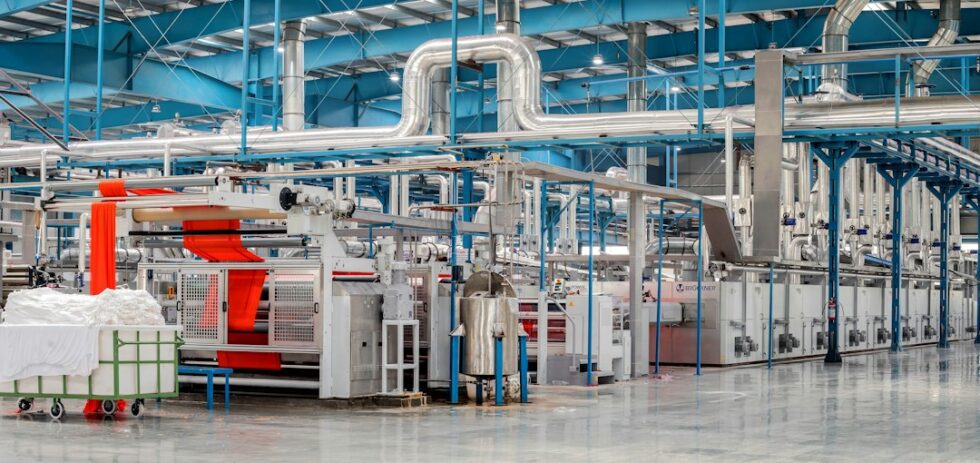
The rise in industrial output is economically important because manufacturing activity affects employment, supplier orders, transport demand, utility consumption and credit requirements. A stronger industrial quarter may ease pressure on some firms’ revenues and capacity utilisation. However, it does not establish that all manufacturing segments recovered equally. The reported weakness in private-sector credit and continuing energy constraints remain relevant when assessing whether businesses can finance and sustain new production.
Full-year growth provides a more cautious picture
The annual growth estimate of 3.68% is substantially lower than the final quarter’s 4.60% rate. The contrast matters: quarterly comparisons measure performance against the same period a year earlier and can be affected by base effects and the timing of production. The uneven sequence of FY26 quarterly growth rates also argues against extrapolating the final quarter into a full-year trend. Readers should distinguish the measured rebound from expectations about future performance.
Inflation and household purchasing power
Stronger output is only one component of economic recovery. Bangladesh’s September headline inflation reached 8.34%, according to BBS figures reported by The Business Standard, while food inflation rose to 7.22%. Persistent price pressures can weaken real household spending even as measured GDP improves. The policy challenge is to support productive activity without losing sight of inflation, energy costs and the distribution of gains between firms and consumers.
Banking and private investment implications
A sustained recovery typically requires functioning credit channels, predictable input supplies and viable investment returns. Weak private-sector credit growth can limit firms’ ability to expand inventories, replace machinery or hire workers. Financial-sector vulnerabilities also affect the allocation and price of capital. The latest GDP numbers are therefore an important signal, but their significance for investors and lenders depends on whether stronger production is accompanied by healthier balance sheets, improved loan performance and renewed private investment.
Fiscal and policy implications
Higher economic activity can support tax receipts and improve the environment for public finance, but revenue gains are not automatic. They depend on the composition of growth, tax compliance and the strength of formal-sector activity. Policymakers must also balance industrial energy needs, import costs, inflation management and fiscal constraints. Any assessment of the rebound should therefore consider both output data and the costs of maintaining that output.
Risk assessment
The principal opportunity is that stronger industrial production may improve business turnover, employment and confidence if it persists. The main risks are a renewed energy supply shock, elevated inflation, weak bank credit transmission, fragile corporate balance sheets and softer external demand. The quarterly estimate is provisional and subject to revision. No investment conclusion should be drawn from the GDP figure in isolation.
What to monitor next
The next evidence points are revised BBS GDP estimates, monthly industrial production, private-sector credit growth, energy availability, inflation and wage trends, export orders, import volumes and bank asset quality. Together these indicators can help distinguish a temporary statistical rebound from a broader improvement in Bangladesh’s productive capacity and financial resilience.
Neutrality and disclosure
This report is prepared for analytical and informational purposes only. It does not constitute investment, financial or policy advice. Reported statistical figures are attributed to publicly available reporting of Bangladesh Bureau of Statistics estimates. Interpretations and risk assessments are analytical, not confirmed future outcomes.
Institutional Lens
For institutional readers, Bangladesh GDP Growth is a signal to evaluate alongside industrial production, loan demand, inflation and corporate cash flow. The quarterly acceleration improves the near-term output picture, but financing conditions and energy reliability remain critical constraints on sustainable capital formation.
Retail Perception Lens
For households and smaller businesses, Bangladesh GDP Growth matters when it translates into jobs, real wages and stable prices. Elevated inflation means stronger national output does not necessarily produce an immediate improvement in purchasing power.
Governance-Focused Perspective
Bangladesh GDP Growth should be assessed using transparent, revisable official statistics and consistent comparisons across quarters. Credible reporting, effective financial supervision and predictable energy and investment policy are essential to interpreting the recovery responsibly.
Sources referenced
The Business Standard — Industry powers Bangladesh’s GDP growth to 4.60% in FY26 Q4
The Daily Star — Manufacturing, services lift Apr-Jun GDP growth to 4.6%
The Business Standard — September inflation edges up to 8.34%
Stay with us for more valuable insights—visit: Click Now