Executive Summary
The World Bank Bangladesh Growth Forecast projects economic expansion of 3.4% in FY2026–27, unchanged from its FY2025–26 estimate, before a modest improvement to 3.9% in FY2027–28. The World Bank’s October 6 Bangladesh Development Update identifies weaknesses in banking, energy supply and revenue mobilisation as major constraints. The outlook also highlights higher poverty, limited job creation and persistent inflation. This report examines what the forecasts mean for investment, financial stability and reform priorities without treating projections as established outcomes.
Why the World Bank Bangladesh Growth Forecast Matters
Bangladesh faces a challenging combination of subdued output growth and pressure on household incomes. The World Bank’s 3.4% FY27 projection matters not simply as a headline figure, but as a signal of the investment and institutional constraints that could keep growth below the rates needed to generate broad-based employment. Unlike a quarterly GDP estimate, a forecast is conditional and may change as policy and economic conditions evolve.
What the October 2026 Update Actually Reports
The World Bank said growth has slowed since 2023 as energy constraints, financial-sector vulnerabilities, weak revenue mobilisation and global uncertainty weighed on investment. It projects 3.4% growth for FY26 and FY27 and 3.9% for FY28, conditional on gradual improvements in energy supply and faster reforms. Exports have lost momentum and inflation remains elevated, while remittances and foreign-exchange reserves have provided some external resilience. The bank also reported that around 2.1 million more people were living in poverty than a year earlier.
World Bank Bangladesh Growth Forecast and the Banking Sector
One of the most serious warning signals is the reported increase in the non-performing loan ratio to 33.2% in June 2026 from 30.6% in December 2025. A high stock of troubled loans can weaken banks’ capacity to lend productively, raise financing costs and delay investment decisions. For businesses, the central issue is not merely the availability of credit but the soundness of the institutions allocating it. Supervisory transparency, credible resolution mechanisms and governance reform will therefore be important tests of whether financial intermediation can recover.
Energy Constraints and Industrial Competitiveness
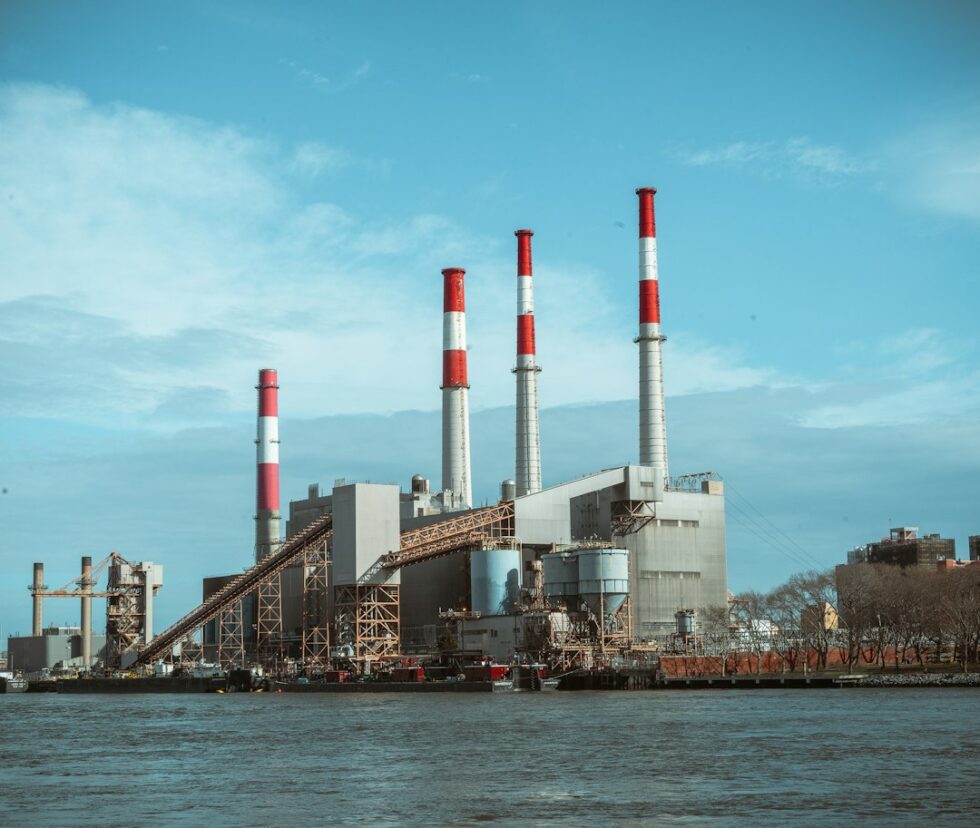
Reliable electricity and fuel supplies affect factories, logistics, services and export competitiveness. Uncertain energy availability may reduce capacity utilisation and increase the cost of production even when demand exists. The World Bank’s conditional improvement to 3.9% in FY28 partly depends on easing supply pressures. Energy reforms therefore require careful attention to reliability, pricing, fiscal affordability and the needs of low-income households. Faster growth cannot be assumed from new generation capacity alone if fuel, distribution and financing bottlenecks persist.
Fiscal Space, Revenue and Subsidy Design
The update places revenue collection at 8.3% of GDP and reports that the fiscal deficit widened to 3.9% of GDP in FY26 from 3.5% in FY25. Limited revenue constrains spending on infrastructure, health, education and targeted assistance. The World Bank’s report, titled ‘Make Subsidies and Social Protection Work Better for the Poor’, points to the importance of improving the efficiency and distribution of public support. The policy question is how to protect vulnerable households while reducing waste and creating room for productive public investment.
Poverty, Employment and Purchasing Power
The World Bank reports rising poverty and inequality in FY26, stalled job creation and job losses among women. These indicators show why GDP growth alone is an incomplete measure of economic performance. Persistent inflation erodes real wages and can weaken consumer demand, particularly among lower-income households. For businesses, subdued purchasing power may affect sales volumes and investment incentives. For policymakers, labour-market outcomes and the effectiveness of social protection should be evaluated alongside aggregate output.
Investment, Exports and External Resilience
Weaker investment and softer export momentum may constrain future productive capacity. At the same time, strong remittance inflows and improved reserves have helped cushion the external sector. These developments should not be conflated: an improvement in external liquidity can reduce immediate balance-of-payments stress without resolving domestic bank balance-sheet problems or energy shortages. A durable recovery would require more predictable conditions for private investment, competitive export production and a healthier financing environment.
South Asia Comparison and Interpretation
The World Bank expects South Asian growth of 6.9% in 2026 and 6.7% in 2027, supported by regional demand despite energy-price and weather risks. Bangladesh’s 3.4% FY27 forecast is materially below that regional figure, although the measures are not perfectly interchangeable because Bangladesh’s projection is fiscal-year based while the regional estimates are calendar-year aggregates. The comparison is useful as a broad signal of relative momentum, not as a like-for-like ranking without adjustment.
Institutional Lens
The World Bank Bangladesh Growth Forecast calls for institutions to focus on the transmission of credit, energy reliability and public revenue rather than headline output alone. For banks and large investors, a non-performing loan ratio above 30% raises questions about asset quality, capital needs and the efficiency of financial intermediation. Strong remittances and improving reserves offer some external support, but cannot substitute for domestic balance-sheet repair. The main indicators to watch are credible bank restructuring, transparent supervisory data, sustainable energy supply and improvements in the predictability of the business environment.
Retail Perception Lens
For households and small businesses, the World Bank Bangladesh Growth Forecast is most relevant through employment, prices and access to affordable finance. A 3.4% expansion does not guarantee higher real income, particularly if food and energy costs remain elevated. The World Bank’s warning about additional poverty and weak job creation makes the distribution of growth central to the outlook. Effective social protection, stable essential services and opportunities for productive work may matter more to household welfare than small changes in the aggregate GDP forecast. These effects should be assessed using observed outcomes, not projections alone.
Governance-Focused Perspective
The World Bank Bangladesh Growth Forecast highlights the need for credible execution of financial, energy and tax reforms. Governance outcomes depend on the transparency of bank asset-quality disclosures, the fairness and efficiency of subsidy targeting, and the government’s ability to raise revenue without undermining productive activity. The fiscal deficit and low revenue-to-GDP ratio make prioritisation especially important. Independent monitoring of reform milestones can help distinguish announced commitments from implemented changes. Public reporting should also keep forecast figures separate from official GDP estimates and disclose revisions when new evidence becomes available.
Key Risks and Scenarios
The baseline assumes some reform progress and eventual easing of energy constraints. A downside scenario could involve renewed fuel-price shocks, persistent banking distress, weak exports or insufficient fiscal revenue, limiting investment and job creation. An upside scenario could emerge if energy reliability improves faster, bank resolution gains credibility and private investment responds. Neither scenario is a prediction. The scale and timing of outcomes depend on policy implementation and external developments.
What to Monitor Next
Priority indicators include quarterly and annual GDP revisions, private-sector credit, non-performing loans, bank capital adequacy, electricity and gas availability, inflation, tax collection, remittance inflows, export orders, foreign-exchange reserves, job creation and the coverage of targeted social protection. The strongest evidence of recovery would be sustained improvements across several of these measures rather than a single favourable data release.
Sources and Editorial Disclosure
Primary source: World Bank, ‘Bangladesh Needs Urgent Financial, Energy, and Revenue Reforms to Restore Growth, Create Jobs’, October 6, 2026. Background: World Bank, ‘Bangladesh Development Update: Make Subsidies and Social Protection Work Better for the Poor’, October 2026. Additional context: bdnews24.com and The Business Standard, October 6, 2026. This is an independent analytical report. World Bank projections are conditional forecasts and should not be presented as confirmed GDP outcomes. Interpretative statements are not investment advice.
Primary references: World Bank October 2026 release; Bangladesh Development Update; The Business Standard.
Stay with us for more valuable insights—visit: Click Now.